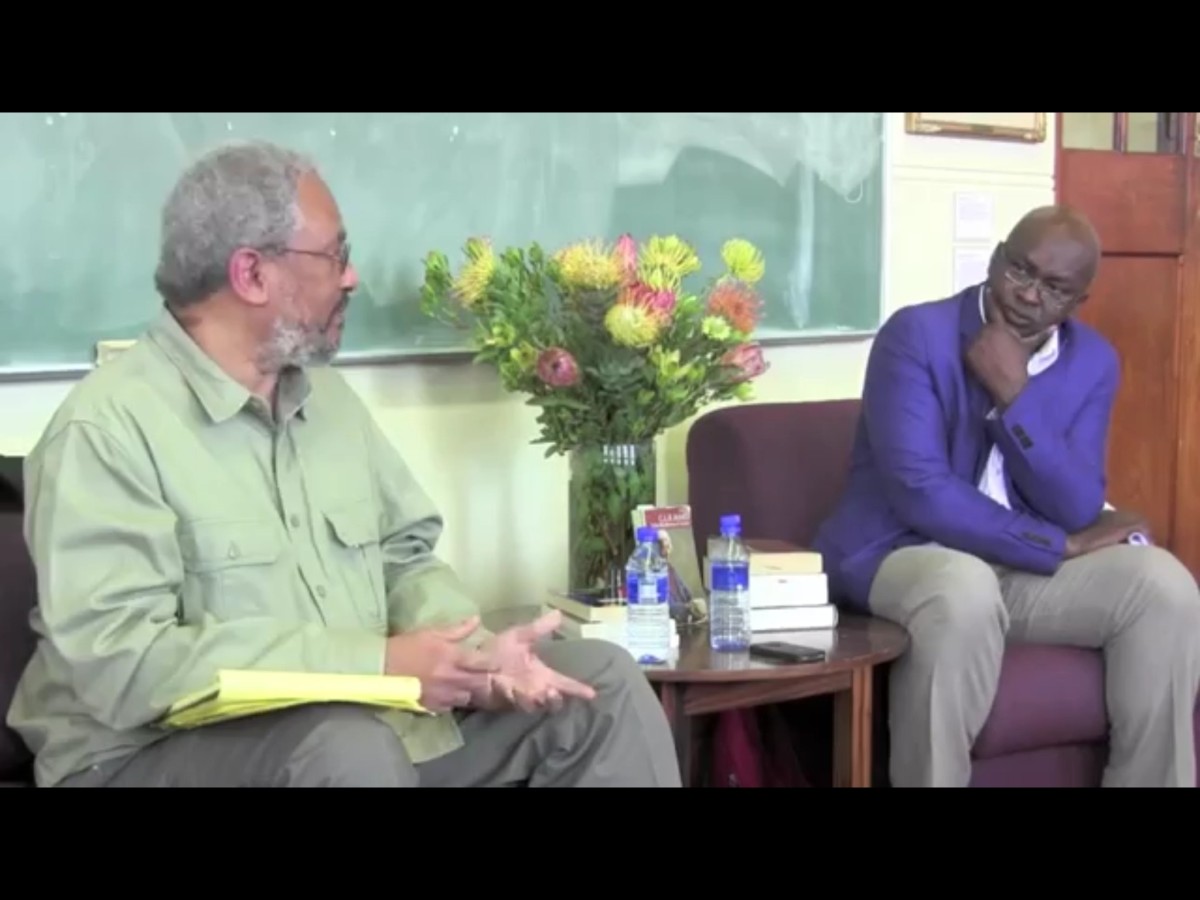
Coverage of The University of Cape Town’s “Africa Theorises” has arrived – a conversation between our esteemed colleague Anthony Bogues and the renowned scholar Achille Mbembe. Topics include the “redrawing of the global intellectual map,” the “flight from theory” and “scientism,” the waning hegemony of the “Western Archive,” the possibilities of “liberty,” and the “modes of being human.”
-

"Gamification and Other Forms of Play"

Patrick Jagoda examines the formative role of new-age “gaming” within contemporary economic, social and cultural life. Read the full article here.
-
Barack Obama Vs. the Tea Party — "States of Fantasy," by Don Pease
From the 2012 Carl Bode-Norman Holmes Pearson Prize for Outstanding Contributions to American Studies, Don Pease’s new provocative essay analyzes the recent populist conservatism in terms of the disparate fantasies convoking its disparate constituencies.
-
Tony Bogues and Achille Mbembe: Africa Theorises
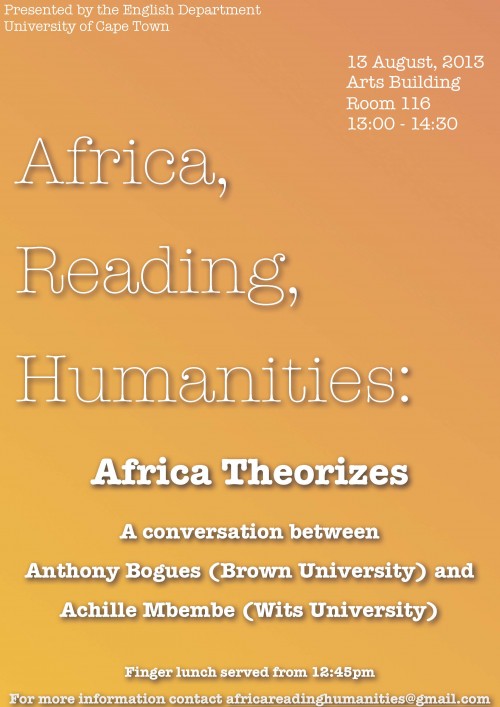
On August 13th, The University of Capetown hosts a conversation between our esteemed colleague Anthony Bogues and the renowned scholar Achille Mbembe.
-
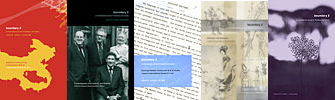
Summer 2013 Issue
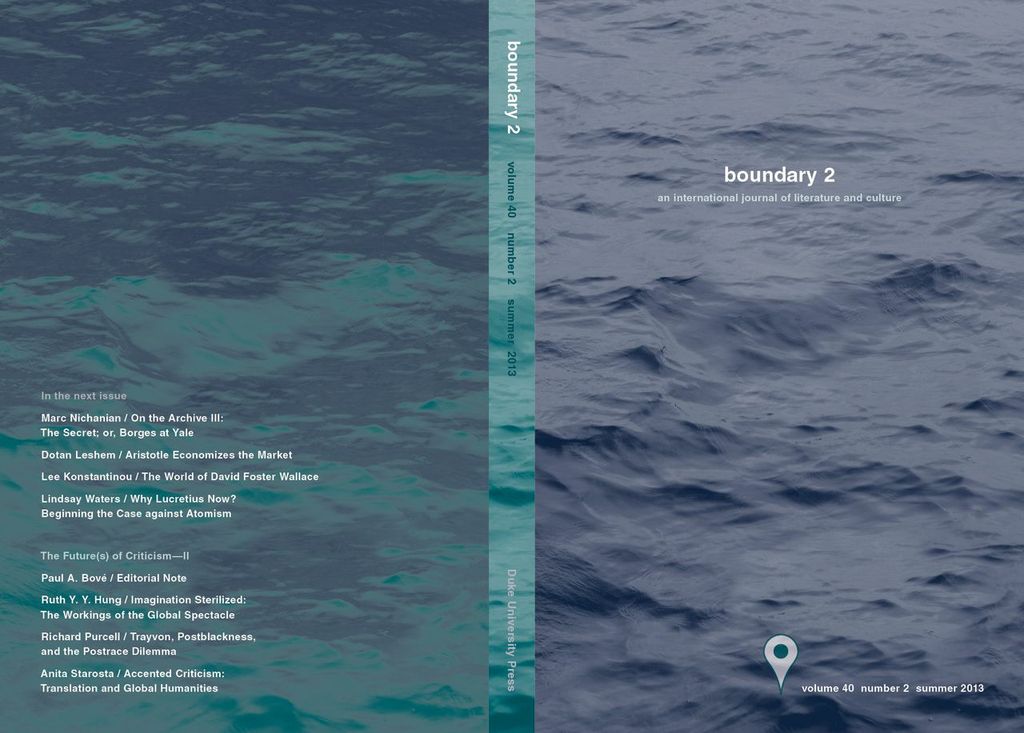
In the second issue of its fortieth volume, boundary2 introduces the young scholars of “the future of criticism,” examines the functions, rules and formats of literature and the modern-day moral philosopher, questions the role and development of “world” literature as a form and product of globalization, initiation and resistance, and much more, all while earning professional next-level experience points across the board. Read our featured essay, Gamification and Other Forms of Play by Patrick Jagoda, and subscribe now for full access to all the journal’s offerings. Preview the Summer 2013 issue here.
-
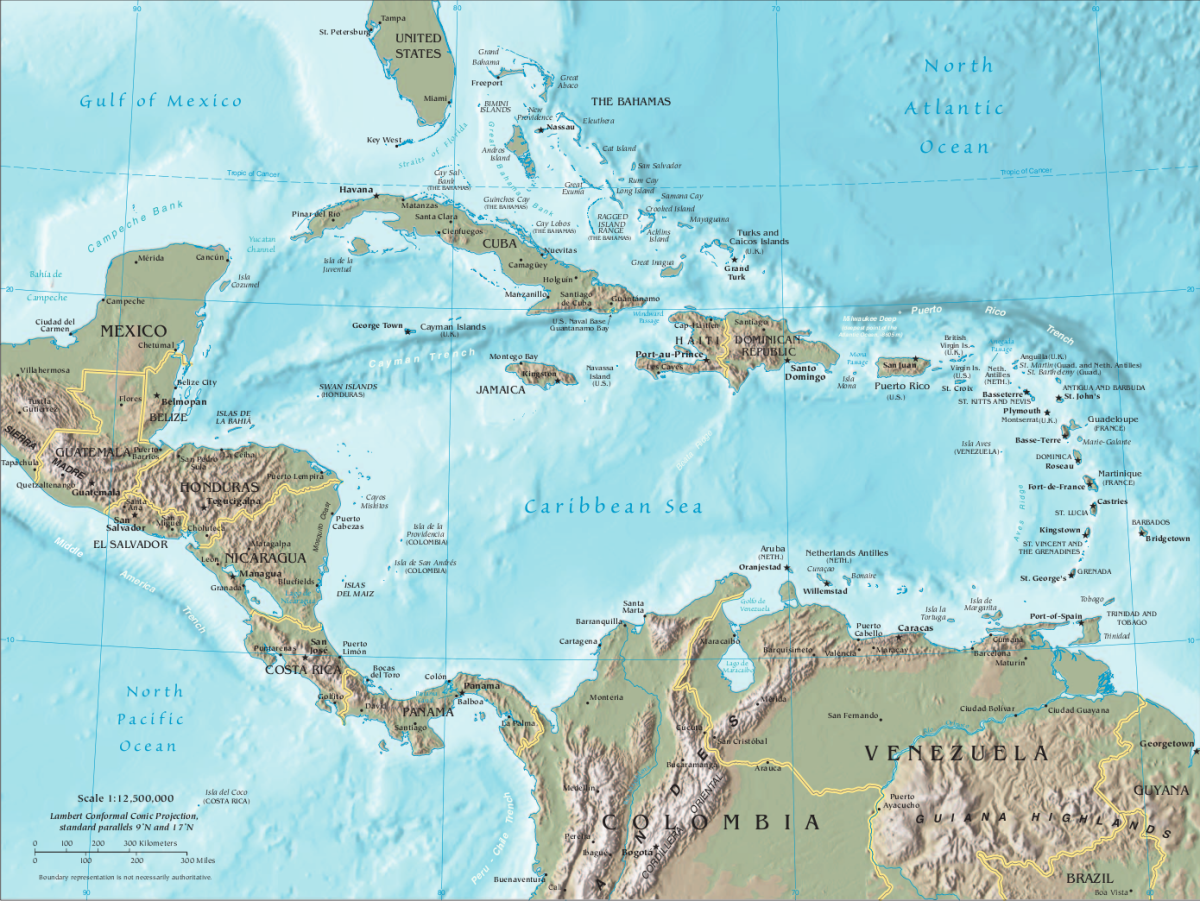
‘Reflections on the Radical Caribbean Intellectual: from Toussaint L’Ouverture to Walter Rodney’
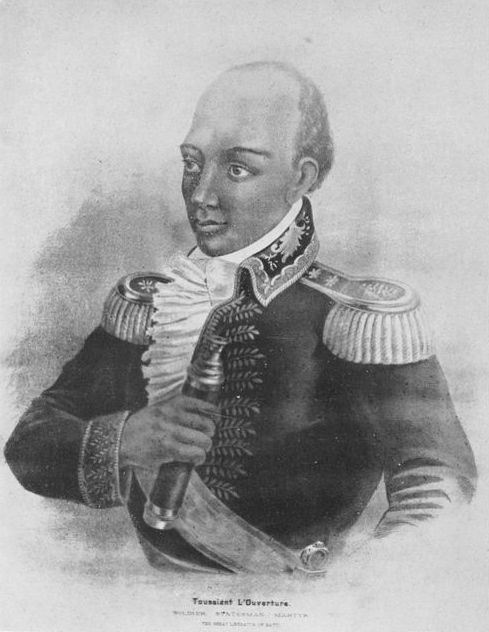
Toussaint L’Ouverture 
Walter Rodney For all our friends in London, NYC, and Western Europe on 19 June, a chance to hear Barrymore Anthony Bogues, an heir to this tradition, discuss the emergence of a new type of intellectual with consequences and influences around the world. University College London (UCL) sponsors this lecture.
-
Don Pease — "Futures of American Studies"

The world-famous course of lectures and seminars begins again this summer. Here is the Institute’s Schedule. Don Pease, the Institute’s director, will be delivering his lecture, “Between the Camp and the Commons.”
-
Sadia Abbas — The Echo Chamber of Freedom

This essay argues that notions of the subject, individualism, freedom, agency, change, and history (in other words, the ideas that are used to mark the boundaries of the West, and that generate the most sensitized aporias of modernity) have come to cluster around the figure of the Muslim woman (for whom the metonym is increasingly the veil): object of imperial rescue, justification for imperial warfare, Orientalist cipher, target of jihadist violence, and increasingly the discursive site upon which is worked out the central preoccupation of our time: How do you free yourself from freedom?
-
Arif Dirlik's classic essay on 'diversity in China'
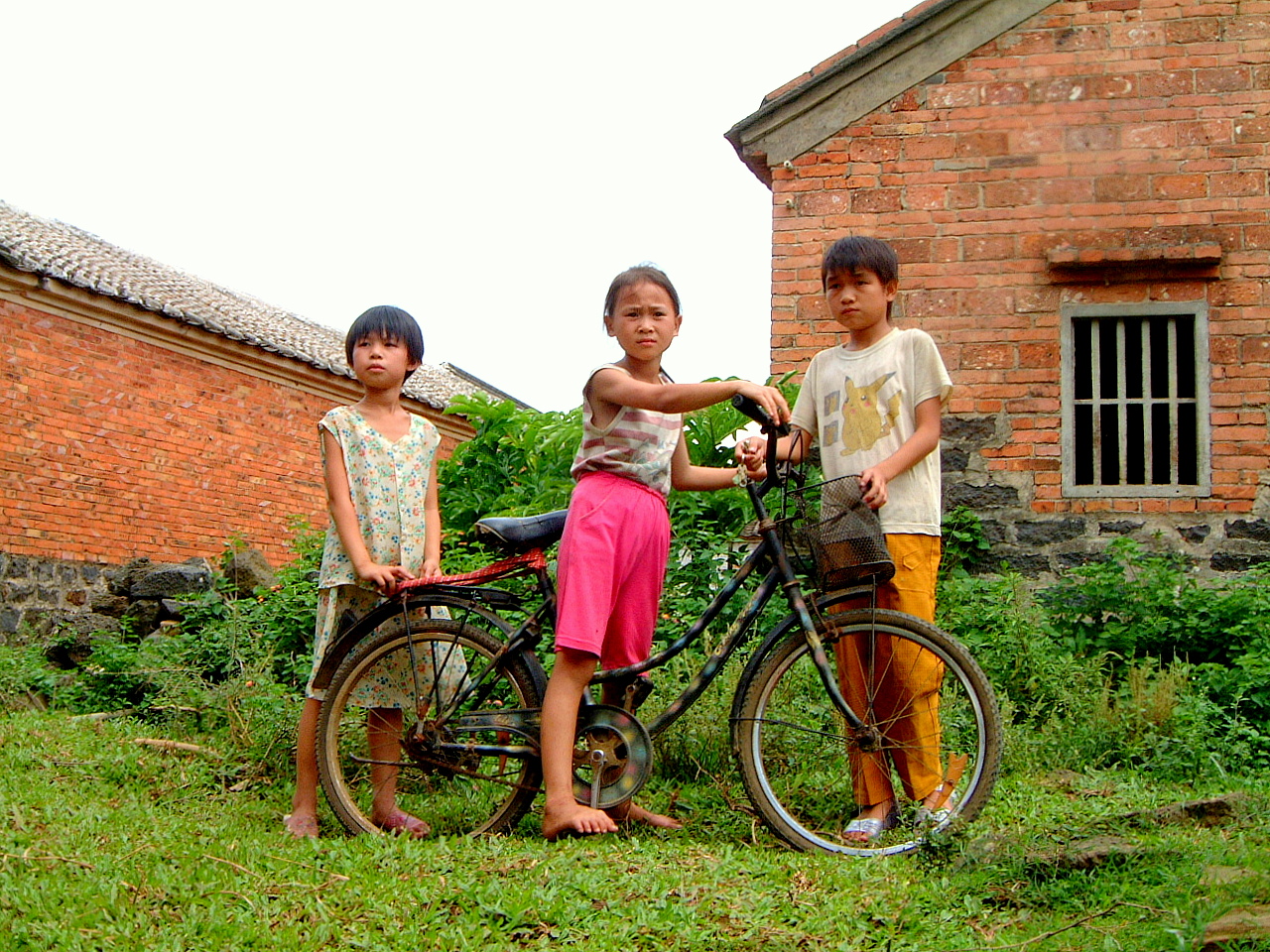
Children in Guangdong, China “I take up in what follows the general theme of the dimensions of diversity in Chinese society; more specifically, how to analyze difference in that society located in the southeastern corner of the Eurasian continent, which long has spilled over the boundaries suggested by that location. I find it difficult to think of the dimensions of Chinese diversity before I can settle in my mind questions pertaining to diversity, culture, and, above all, China. What I undertake here is a reflection on the relationship between these terms.”
—boundary 2 2008 Volume 35, Number 1: Read here
-
The Dead End of Political Theology
This Spring, Jason Stevens works out the alliance in America between postsecularism, the revaluation of illiberal religion, and the role of Carl Schmitt in defining American power and politics in The Cul-de-Sac of Schmittian Political Theology: The Case of Paul Kahn’s Analysis of American Power.
-
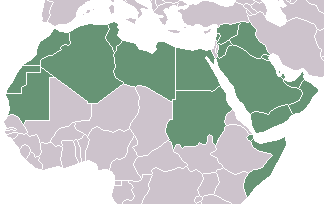
The Thinking of the Arab Revolution: Humanity, الإنسانية
New essays from Mohamed-Salah Omri and Miriam Cooke follow up on Omri’s first paper and continue the work of The Tunisian Dossier, these two interested in the “re-packaging and marketing of a ‘moderate’ Islamist leader” and the building of the Qatari empire. We invite you to read and comment on these materials and to place your comments on this topic here and elsewhere on the site.
-
Mohamed-Salah Omri's original essay on the Tunisian Revolution
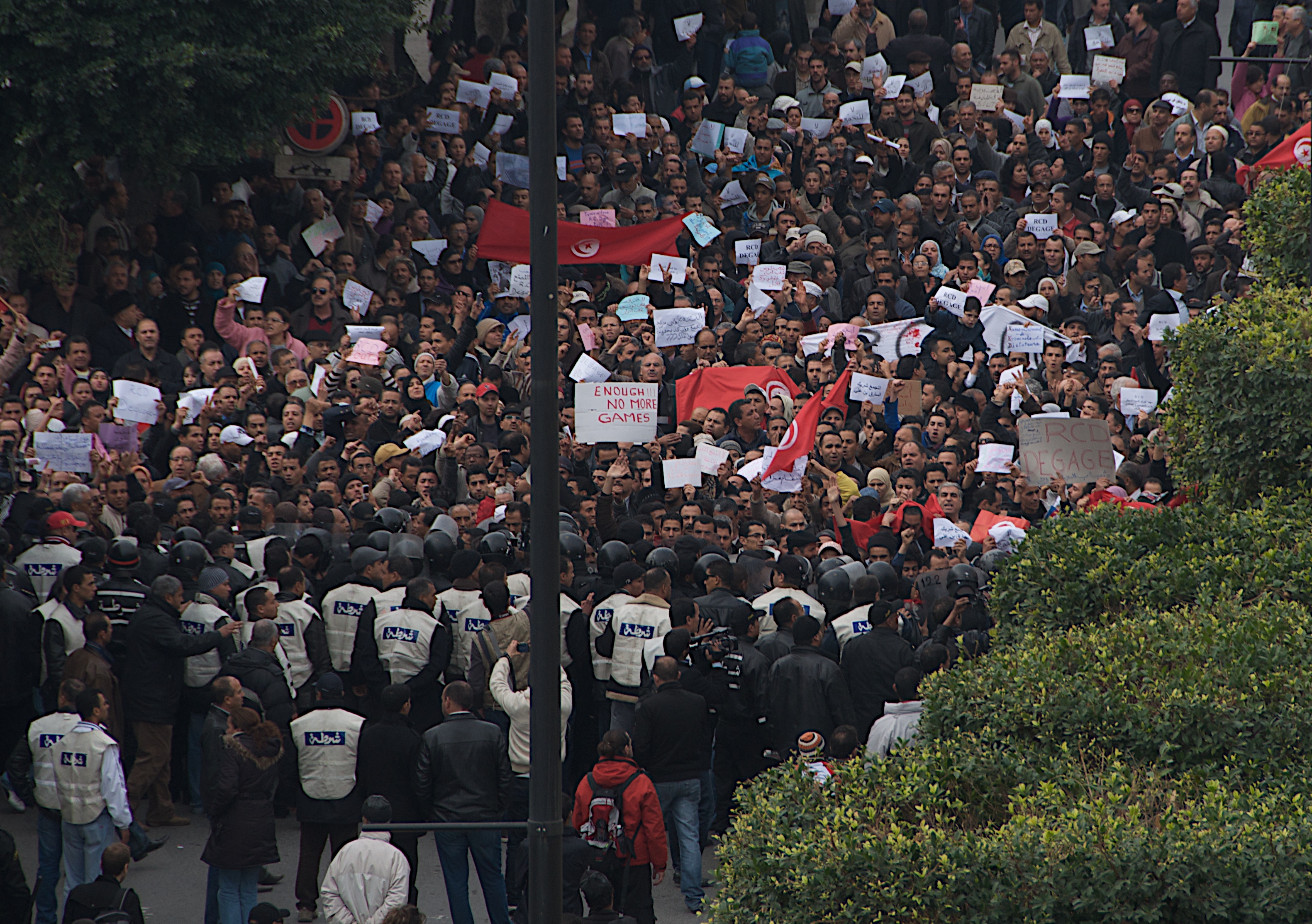
“The most famous slogan chanted in Tunisia in January, then in Egypt, Yemen, Libya, and Syria, is a reincarnation of opening lines of the poem “The Will of Life,” written in 1933 by the Tunisian poet Abou el-Kasem Chebbi (1909–1934), which now form the closing part of Tunisia’s national anthem and have been sung by some of the most influential Arab stars, written on protest banners, and shouted by students in the face of French and English occupiers and their own governments.” Continue reading, boundary 2 volume 39, number 1
-
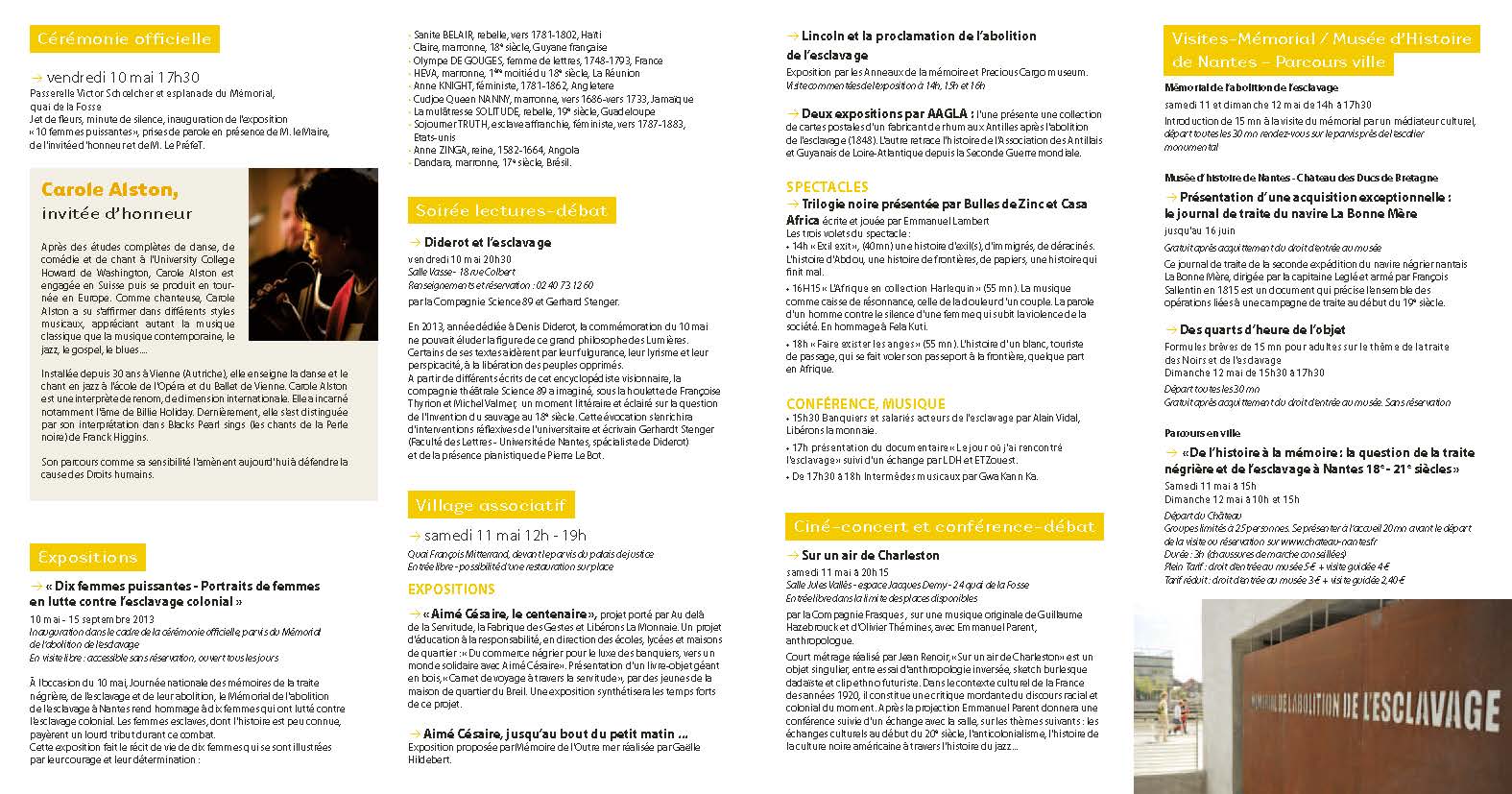
des mémoires de la traite, de l’esclavage et de leurs abolitions
Our friends in France–please try to be there, especially to hear Tony Bogues on The Collective Memory of Slavery in the US . . . .
-
Stathis Gourgouris on "The Idolatry Post-Secularism"
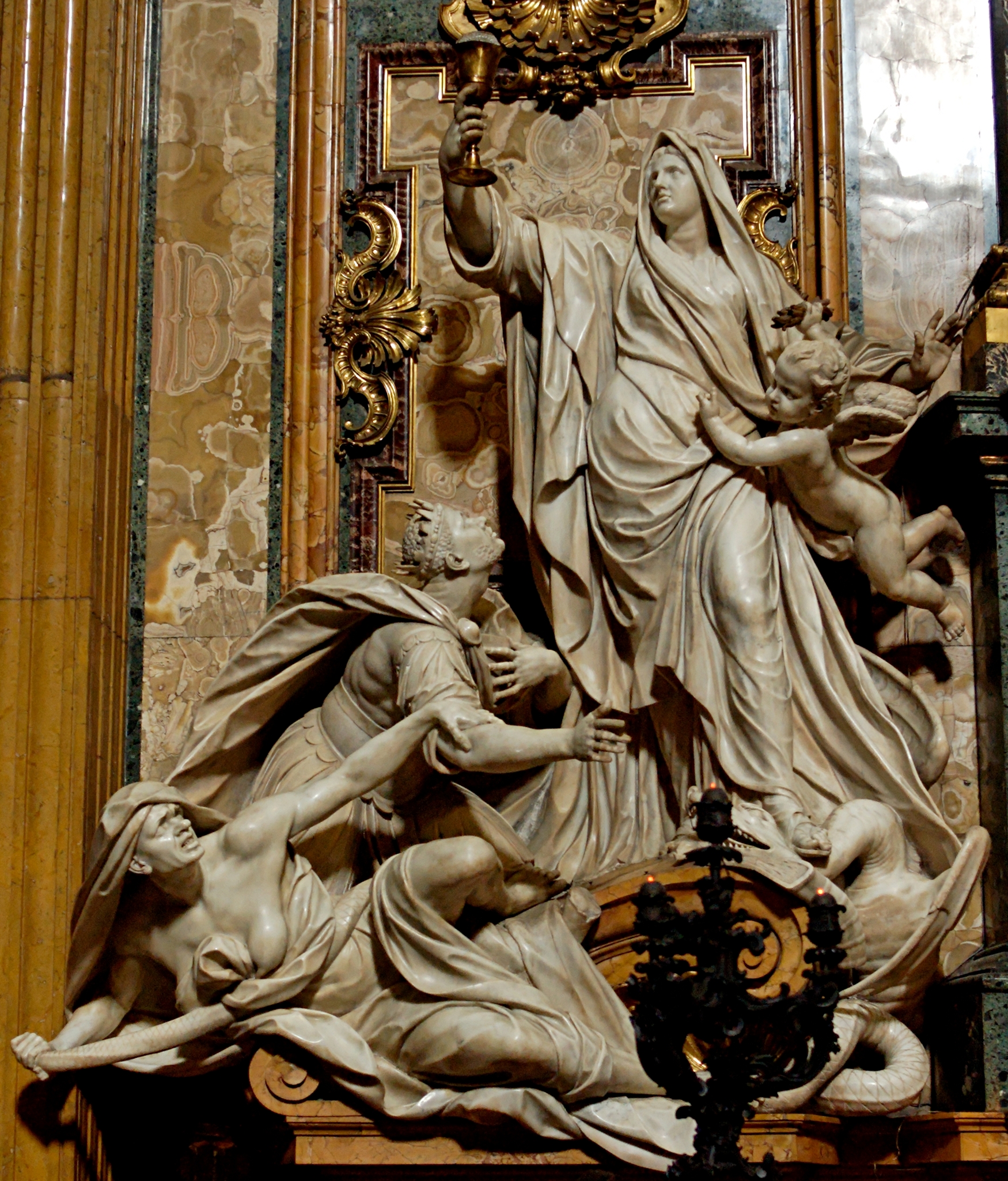
Follow Stathis’ careful examination of “Idolatry, Prohibition, Unrepresentability,” here, for free download from the Duke UP site and from the last issue of boundary 2, Antinomies of the Postsecular.
This is a meditation on the assertion by Cornelius Castoriadis that “every religion is idolatry.” Idolatry here is configured beyond the conventional understanding of the idol as a concrete object of worship which works within the logic of representation. In monotheism, even the unrepresentable—or, perhaps, especially the unrepresentable—is an idol, an object of worship that is otherwise silenced by a language that claims to worship a nonobject. In this sense, the prohibition of images in monotheism (Bildverbot) is a highly sophisticated mode of idolatry.
-
Paul Bové's Top Issues of boundary 2
Duke UP has its annual sale of books and journals. Great deals on some of b2‘s best and most popular issues .